I Used to Have a Life, Now I’m a Band Mom
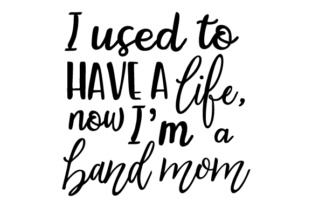
As someone who has spent years stitching everything from delicate baby onesies to rugged workwear patches, I know that the difference between a great embroidery project and a frustrating one often lies in the design's intent. When I first pulled up the file for I Used to Have a Life, Now I’m a Band Mom, I wasn't just looking at text; I was visualizing the finished product on a sweatshirt, a tote bag, or perhaps a personalized apron. This phrase hits a specific emotional chord with parents of musicians, blending humor with a sense of devoted sacrifice. It is a classic example of how a simple machine embroidery design can become a conversation starter and a badge of honor for a very dedicated community.
The First Impression: Humor Meets Heart
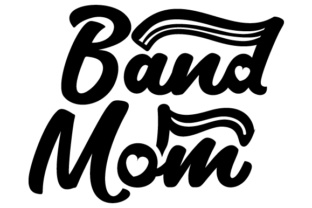
The visual personality of this design is immediately clear. It does not rely on complex iconography like musical notes or instruments, which keeps it versatile. Instead, it leans heavily on typography and the relatable sentiment of the phrase itself. For an Etsy seller or a small shop owner, this is a significant advantage. The layout is straightforward, making it easy to adapt to various hoop sizes without losing legibility. When I reviewed the digital preview, the font choice felt modern yet readable, suggesting that the stitch density would likely be balanced enough to prevent puckering on medium-weight fabrics.
In the world of Crafts, designs that speak directly to a niche audience often perform better than generic motifs. This design targets the "Band Mom" demographic perfectly. Whether you are creating a custom gift for a friend whose child plays the tuba or stocking your boutique with ready-to-ship items, the message resonates. It transforms a standard piece of apparel into a statement piece. The mood is lighthearted but grounded in reality, which is exactly what makes it a strong contender for holiday embroidery gifts or back-to-school merchandise.
Real-World Application: From Hoop to Product
Let’s talk about how this actually translates to real-world use. Imagine you are preparing a batch of custom sweatshirt embroidery for a local music store or a school band fundraiser. You load the embroidery file into your machine, and the first thing you notice is the flow of the text. Because the phrase is relatively long, the spacing becomes critical. If the letters are too tight, the fill stitch might bunch up, especially on stretchy knit fabrics. However, if the kerning is correct, the result is crisp and professional.
I envision this design working exceptionally well on a canvas tote bag design. Tote bags are a staple for craft businesses because they offer a flat, stable surface for stitching. The sturdy fabric holds the thread tension well, ensuring that the words stand out clearly. Alternatively, placing this on a denim jacket or a flannel shirt adds a touch of casual coolness. For those interested in embroidered patch production, this design could be cut out as a standalone element, backed with fusible web, and ironed onto backpacks or hats. The simplicity of the text means it scales down reasonably well, though you must always test on scrap fabric first to ensure the smallest letters remain distinct.
For the small business owner looking to expand their catalog, this design fits seamlessly into a collection of parent-themed items. Pair it with other Music-related designs or general family quotes to create a cohesive shop aesthetic. The ability to sell this as a digital embroidery file also opens up revenue streams for creative entrepreneurs who prefer selling assets rather than physical goods. Customers who buy the file can then customize the colors themselves, perhaps matching their school band colors or choosing a contrasting thread for maximum impact.
Navigating Challenges: Where Caution is Key
While the design is robust, it is not without its challenges. As a reviewer, I must point out where things can go wrong if you aren't careful. First, consider the fabric texture. On highly textured materials like terry cloth or thick fleece, the fine details of the lettering can get lost. The loops in the fabric might interfere with the running stitch outlines, causing the text to look fuzzy. In these cases, using a heavier stabilizer is non-negotiable. Without proper backing, the hoop will pull the fabric, distorting the shape of the letters and ruining the professional look of the finished product.
Another area of concern is dark fabric. If you plan to embroider this on a black hoodie or navy blue cap, you need to think about thread colors and underlay. White thread on dark fabric is a bold choice, but it requires a solid underlay layer to prevent the dark background from showing through the gaps in the fill. If you skip this step, the design will look washed out and cheap. Additionally, curved surfaces like caps require special attention. The bottom line of the text might sit awkwardly on the curve of a hat panel, so you may need to adjust the placement or split the design into two sections for better alignment.
Also, be mindful of tiny lettering if you attempt to shrink the design significantly. While the phrase is catchy, reducing it too much for a small chest pocket or a baby item can make it illegible. The "I" and "Now" might blur together, defeating the purpose of the message. Always check the minimum recommended size before committing to a commercial embroidery run. And remember, frequent washing can wear down satin stitches over time, so advise your customers on proper care to maintain the longevity of their handmade product.
Designer Notes for Success
To get the best results with I Used to Have a Life, Now I’m a Band Mom, follow these practical steps. Start by testing the design on a scrap piece of the exact fabric you intend to use. This allows you to tweak the stitch density and speed settings to avoid puckering. Check the contrast between your thread and the fabric; sometimes a metallic or variegated thread can add a unique flair to the custom apparel, making it stand out in a crowded market.
Before launching a new listing, create printable mockups to visualize how the design looks on different products. Compare light and dark backgrounds to see which offers the most appeal. Ensure you have the right stabilizer for the job—cutaway for knits and tear-away for wovens. Finally, verify your licensing. Just because you bought the file doesn't mean you can sell the digital file itself. Confirm whether the license allows you to sell the finished product or if there are restrictions on the number of items you can produce. By paying attention to these details, you ensure that every piece you create reflects professionalism and quality, building trust with your customers and strengthening your brand as a reliable source for top-tier design assets.