Coffee is Mom Fuel: A Designer's Real-World Review
As a designer who has spent years curating assets for small businesses and crafting handmade goods, I know that the difference between a successful Etsy listing and a forgotten download often comes down to one thing: how the design translates from screen to stitch. Today, I am evaluating the Coffee is Mom Fuel machine embroidery design. This isn't just another generic text graphic; it is a statement piece that taps into the universal language of parenthood and caffeine. But does it hold up under the scrutiny of a professional hoop? Let's dive into what this file actually offers for your craft business and personal projects.
The Visual Impact and Design Personality
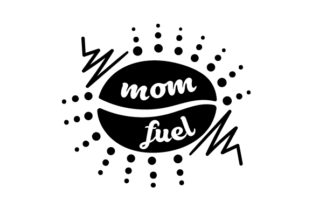
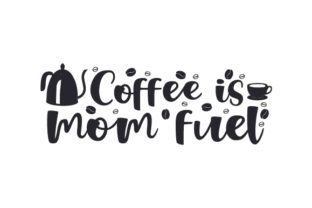
When I first opened the Coffee is Mom Fuel file in my editing software, the immediate impression was one of playful boldness. The typography is straightforward yet expressive, designed to grab attention without overwhelming the fabric it sits on. For an embroidery project, clarity is king. This design avoids overly intricate flourishes that can get lost in dense stitching or muddy on textured fabrics. Instead, it relies on strong character shapes that promise clean execution.
The mood it creates is instantly relatable. It speaks directly to the "tired but trying" aesthetic that dominates modern parenting culture. Whether you are creating a custom apparel line or a personalized gift for a new mother, this phrase carries an emotional weight that resonates. Visually, the layout suggests a balanced composition, likely centered with enough negative space to allow for proper stabilizer placement. This balance is crucial when you are planning a sweatshirt embroidery or a tote bag design where the motif needs to stand out against a busy background.
Testing the Waters: A Real-World Scenario
To truly understand the potential of Coffee is Mom Fuel, imagine a specific scenario: You are preparing a batch of holiday gifts for your boutique shop. You have selected high-quality, heavyweight cotton canvas tote bags. These bags are popular, durable, and perfect for carrying groceries or gym gear—ideal for the busy mom demographic. As you load the embroidery file, you consider the placement. Centered on the front pocket or slightly off-center on the main body?
In this context, the design shines. The text is legible even at a distance, which is vital for a product that will be carried in public. If you were to use a contrasting thread color, say a deep espresso brown on a cream canvas, the visual appeal would skyrocket. The simplicity of the phrase means it doesn't compete with the texture of the canvas. However, if you were attempting this same design on a thin, stretchy t-shirt, the story changes. The density of the fill stitch required to make the letters pop could cause puckering on lightweight knits. This is where the experienced eye must intervene before committing to production.
Navigating Fabric and Hoop Challenges
While Coffee is Mom Fuel is versatile, it is not a magic bullet for every surface. There are specific situations where you need to exercise caution. First, consider the hoop size. If the design is large, ensure your hoop can accommodate it without distorting the lettering. Distorted text ruins the professionalism of a finished product. Second, think about dark fabrics. Embroidery on black or navy requires careful consideration of thread colors and potentially a backing layer to prevent the fabric color from showing through the stitches.
Textured fabrics like fleece or chenille present another challenge. The nap of the fabric can interfere with the needle penetration, leading to skipped stitches or uneven satin stitch edges. If you plan to use this design on a baby item or a plush blanket, you must test the stitch density on a scrap piece of the exact material first. Additionally, curved surfaces like caps require a specialized cap frame. The rigid nature of the text might look awkward if the curve forces the letters to bend too sharply. Always check the design's flexibility before committing to a hat.
Practical Notes for the Professional Maker
For those running a craft business or selling digital products, here are the critical steps to ensure success with this asset:
- Test on Scrap Fabric: Never skip this step. Run a test stitch on the actual fabric you intend to use to check for puckering and thread tension.
- Verify File Formats: The product description states you will receive SVG, Transparent PNG, EPS, and DXF files. While these are excellent for cutting machines and digital mockups, confirm that a compatible .PES, .JEF, or .DST file is available for your specific embroidery machine, or that you have the software to convert them accurately.
- Check Thread Contrast: High contrast makes the message readable. Test different thread colors against your fabric swatches to find the most engaging combination.
- Stabilizer Selection: Use a heavy-duty cut-away stabilizer for stretchy fabrics and a tear-away for woven items to maintain the integrity of the stitch work.
- Licensing Check: Before selling finished items or using the design for commercial embroidery, review the license terms. Ensure you are permitted to sell physical goods created with this design.
Maximizing Value and Customer Engagement
When executed correctly, Coffee is Mom Fuel adds significant value to a handmade product. It transforms a plain tote bag or apron into a conversation starter. Customers buying from Etsy sellers or boutique shops are looking for personality and connection. This design delivers both. It signals that the creator understands their lifestyle, building trust and brand consistency.
For the digital product seller, offering this as part of a bundle for coffee-themed crafts can drive engagement. Imagine a collection featuring this design alongside matching applique designs or coordinating motifs for kitchen towels and pillow covers. The versatility of the phrase allows it to fit seamlessly into various categories, from nursery decor to holiday embroidery collections.
Final Thoughts on Commercial Viability
In conclusion, Coffee is Mom Fuel is a robust addition to any designer's library, provided it is used with intention. It excels on sturdy fabrics like denim, canvas, and fleece, making it perfect for custom apparel, embroidered patches, and durable home goods. However, it demands respect for the technical aspects of embroidery. Do not rush the process. Take the time to adjust stitch density, choose the right stabilizer, and verify the file compatibility.
Whether you are a hobbyist making a heartfelt gift for a friend or a small shop owner stocking shelves for the upcoming season, this design offers a reliable way to connect with your audience. By focusing on quality execution and thoughtful application, you ensure that the final result is not just a stitched phrase, but a premium, cherished item. Remember, the best embroidery designs are those that survive the wash cycle and still look as vibrant as the day they left the hoop.