Dachshund Mom: A Designer's Real-World Review
As a designer who has spent years navigating the intersection of digital graphics and physical stitching, I approach every new machine embroidery design with a critical eye. It is not enough for a file to look good on a screen; it must translate seamlessly into thread on fabric. Today, I am evaluating the Dachshund Mom design, a piece that sits squarely in the popular niche of pet-loving apparel and home decor. Before you purchase this asset for your next client project or add it to your Etsy shop inventory, let us walk through exactly how this Graphics file performs in a real-world scenario.
The First Impression: Mood and Visual Personality
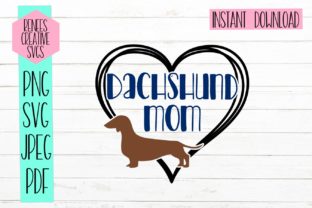
When I first opened the digital embroidery file for Dachshund Mom, the immediate visual impact was warm and inviting. The silhouette captures the iconic long body and short legs of the dachshund breed without becoming overly cluttered. In the world of Crafts, simplicity often wins because it translates better to thread. This design avoids excessive micro-details that can get lost during stitching, opting instead for clean lines and a balanced layout. The mood is playful yet sophisticated enough for a boutique product. It feels like a design meant to be worn proudly on a sweatshirt or stitched onto a kitchen towel that gets used daily.
However, the true test lies in how the shapes interact with different stitch types. Does the curve of the dog's back lend itself to smooth satin stitch, or will it require a dense fill stitch that might pucker thin fabrics? My initial assessment suggests that the outlines are robust enough to hold their shape, which is crucial for maintaining the character of the dachshund after multiple washes.
A Real-Life Scenario: The Custom Tote Bag Project
To truly understand the utility of Dachshund Mom, imagine a specific use case: a small business owner preparing a batch of custom canvas tote bags for an upcoming craft fair. The goal is to create a personalized gift that appeals to dog owners looking for practical yet stylish accessories. You load the embroidery file into your machine, perhaps using Silhouette Studio or Cricut Design Space as mentioned in the product description, and prepare the hoop.
In this scenario, the tote bag design needs to stand out against the natural beige of the canvas. If you choose high-contrast thread colors, such as a deep navy or a vibrant rust for the dog and a crisp white for the text, the result is striking. The design scales well here. Unlike intricate floral patterns that might blur if scaled up too large, Dachshund Mom retains its charm at a medium size, making it perfect for the front panel of a tote or the chest area of a hoodie.
Imagine the customer reaction: they pick up the finished product, feeling the texture of the stitches. The clarity of the dachshund's features gives them confidence in the quality of the handmade product. This level of detail builds trust. For an Etsy seller or a small shop product line, this reliability is what turns a one-time buyer into a loyal follower. The design does not just sit on the fabric; it enhances the perceived value of the item.
Navigating Fabric Challenges and Hoop Constraints
While Dachshund Mom is versatile, a professional designer knows that no design works perfectly on every surface without adjustment. There are specific situations where caution is required. For instance, if you attempt to use this design on a stretchy knit fabric for a t-shirt, the tension of the stitch density could cause the fabric to pucker around the edges of the dachshund's body. In these cases, using a cut-away stabilizer becomes non-negotiable to maintain the integrity of the garment.
Furthermore, consider the hoop size. If you are working with a very small hoop, such as a 4x4 inch frame, you must ensure that the design fits comfortably without being compressed. Squeezing the design to fit a smaller space can distort the proportions of the dachshund, making the legs look shorter than intended or the text illegible. Always check the dimensions before committing to a finished product.
Another area of concern is textured fabrics. If you plan to embroider this onto a thick fleece blanket or a nubby wool sweater, the needle may struggle to penetrate evenly, leading to skipped stitches. Similarly, on dark fabrics, the contrast is key. Without proper underlay stitches, lighter thread colors might show through or blend into the background, reducing the visual appeal. Testing the design on scrap fabric that mimics your final material is a step I never skip.
Practical Notes for Commercial Use and Licensing
For those running a craft business or planning to sell custom apparel, understanding the scope of the design assets is vital. The product description notes compatibility with major software packages like Illustrator and Cricut Design Space, which offers great flexibility for resizing and color changes. However, always confirm the licensing terms regarding commercial use. Can you sell the embroidered patch directly? Can you include the digital file in a bundle? Clarity here protects your business from legal issues down the road.
When creating printable mockups for your online store, ensure that the representation matches reality. Do not promise a level of detail that the running stitch or fill cannot achieve. Show customers examples on various backgrounds—light, dark, patterned—to demonstrate how the design assets adapt. This transparency boosts buyer engagement and reduces returns.
Final Verdict: Is Dachshund Mom Worth the Stitch?
After reviewing the potential applications, from baby embroidery items to holiday gifts and commercial embroidery projects, my conclusion is positive. Dachshund Mom strikes a balance between artistic flair and technical feasibility. It is a design that respects the limitations of embroidery machines while maximizing visual impact.
If you are a hobbyist looking to make a unique personalized gift for a friend who loves dogs, this design will serve you well. If you are a professional decorator adding a new SKU to your catalog, it offers the consistency needed for production runs. Just remember to test your settings, choose the right stabilizer, and respect the fabric you are working with. When executed correctly, this design transforms a simple piece of cloth into a cherished keepsake, proving that thoughtful design choices lead to exceptional results.