I Put My Baby on My Hip: A Designer's Review
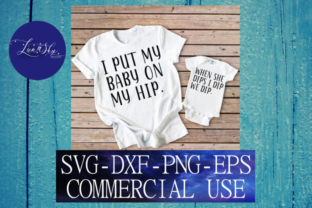
As a designer who has spent years navigating the intersection of digital graphics and physical thread, I approach every new machine embroidery design with a specific set of questions. Does it translate from screen to fabric? Will it hold up under the stress of a washing machine? Most importantly, does it evoke the right emotion for the customer? Recently, I evaluated the I Put My Baby on My Hip quote design, a piece that sits squarely in the realm of heartfelt motherhood. This isn't just another graphic; it is a statement about the bond between parent and child, packaged as a versatile digital embroidery file.
First Impressions: Mood and Visual Weight
When I first opened the zip file containing the SVG, PNG, EPS, and DXF versions, my immediate reaction was to the typography. The phrase "I Put My Baby on My Hip" carries a rhythm that demands a font with character—something playful yet sturdy. In the preview, the layout feels balanced, avoiding the common pitfall of overcrowding the text. For an embroidery project, this balance is crucial. If the letterforms are too thin, they risk disappearing into the fabric texture during stitching. If they are too heavy, they can cause puckering.
The visual personality of this design screams "everyday wear." It doesn't feel like a formal event piece or a delicate heirloom. Instead, it feels like something you would want on a favorite pair of jeans, a cozy sweatshirt, or a tote bag that sees daily use. The mood is warm, relatable, and slightly nostalgic. For a small business owner looking to expand their catalog of handmade products, this design hits a sweet spot. It appeals to new mothers, grandparents, and anyone who cherishes the tactile experience of carrying a child.
Real-World Application: From Digital to Stitched
To truly understand the potential of I Put My Baby on My Hip, I imagined a specific scenario: creating a custom embroidered sweatshirt for a local boutique. Sweatshirts are a staple for custom apparel, but they present challenges due to their fleece texture and thickness. When I mentally mapped out the placement, I envisioned the design centered on the chest or perhaps offset on the sleeve. The key here is the stitch density. A design like this needs enough fill stitch to pop against the soft loops of a sweatshirt without becoming so dense that it creates a hard, plastic-like patch on the fabric.
Another compelling use case is the tote bag design. Canvas is forgiving, allowing for a wide range of thread colors and stitch types. I could see this working beautifully as a large-scale statement on a natural canvas bag, using a contrasting navy or forest green thread. The simplicity of the quote means it scales well. Whether it is a small 4x4 hoop for a baby onesie or a larger hoop for a pillow cover, the message remains clear. This scalability makes it an excellent asset for an Etsy seller who wants to offer size variations without needing multiple complex files.
For those focusing on personalized gifts, the versatility of the included file formats is a game-changer. The SVG allows for easy manipulation in cutting machines if you decide to combine embroidery with applique. You could create a layered look where the background is felt or denim, and the text is stitched on top. This adds depth and texture, elevating the perceived value of the finished product. However, if you stick to standard embroidery, the design works perfectly as a standalone element on aprons, kitchen towels, or even holiday ornaments.
Navigating Technical Challenges and Fabric Choices
While the design is robust, there are scenarios where caution is required. As with any text-heavy embroidery file, small hoop sizes can be tricky. If you attempt to shrink the design significantly for a cap or a tiny patch, the letter spacing may become too tight. The gaps between letters need to remain open enough to prevent thread buildup, which can lead to stitching errors or an unreadable result. Always check the minimum recommended hoop size before committing to a small item.
Fabric texture also plays a significant role. On very textured fabrics like chenille or thick terry cloth, fine details can get lost. The running stitch outlines might blend into the weave. In these cases, increasing the line weight slightly or using a heavier thread count can help maintain clarity. Conversely, on thin or stretchy fabrics, such as jersey knit used for baby clothes, the tension must be managed carefully. Without the proper stabilizer, the fabric can pucker around the dense areas of the text, ruining the drape of the garment.
Dark fabrics present another consideration. While the design looks great in black and white mockups, stitching light thread on dark fabric requires careful color selection. A stark white might look harsh, whereas a cream or pale gray could offer a softer, more sophisticated contrast. Always test your thread colors on a scrap piece of the actual fabric you intend to use. This simple step saves time and materials in the long run.
Strategic Advice for Craft Business Owners
For creative entrepreneurs and small shop owners, incorporating I Put My Baby on My Hip into your inventory requires a strategic approach. Before listing items, ensure you have tested the design on scrap fabric. Check the stitch density to ensure it isn't too heavy for your target material. Inspect small details under magnification to confirm that no threads are breaking or looping excessively.
Consider how the design fits into your brand consistency. Does the playful nature of the quote align with your other offerings? If your brand is minimalist, this bold statement might stand out too much. If your brand is family-oriented and cozy, it fits perfectly. Additionally, always review the licensing terms. Just because you have the file does not mean you can sell the digital file itself. Typically, these licenses allow you to sell the finished product but restrict the resale of the digital product or the creation of templates for others to use.
Finally, think about the customer experience. A high-quality embroidered patch or a well-stitched shirt builds trust. Customers buying handmade goods expect perfection. They want to know that the design will last through washes and wear. By taking the time to perfect the application of I Put My Baby on My Hip, you demonstrate professionalism and care. This attention to detail enhances your reputation as a reliable maker and encourages repeat business.
Final Thoughts on Design Utility
In conclusion, I Put My Baby on My Hip is a solid addition to any designer's library. It offers a blend of emotional resonance and practical utility that translates well across various Crafts and Graphics applications. Whether you are creating a one-off personalized gift for a friend or producing a batch of commercial embroidery items for your shop, this design provides a strong foundation. Its success lies in its simplicity and the universal truth of the message. With the right preparation, stabilizer, and fabric choice, it can become a standout piece in your collection, bringing joy to customers and adding value to your craft business.