Review: Mom s Lucky Charm Embroidery Design
As a designer who has spent years translating digital files into tangible stitched goods, I know that the difference between a good embroidery project and a great one often lies in the quality of the source art. Today, I am evaluating Mom s Lucky Charm, a new addition to my library of design assets. This isn't just about checking file formats; it is about understanding how this specific graphic translates from a screen into a finished product that customers will love and keep.
First Impressions: Visual Weight and Theme
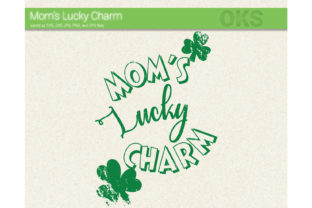
When I first opened the preview for Mom s Lucky Charm, the immediate mood was warm and inviting. It clearly targets the emotional core of motherhood, but without feeling cliché or overly cluttered. The layout suggests a balanced composition that should work well within standard hoop sizes. Since the product description notes these are Well-crafted clipart, SVG, and vector instant downloads with dimensions of approximately 6-8 inches in their longer dimension, I immediately began visualizing where this fits on fabric.
The visual personality feels robust enough to stand alone as a statement piece on a tote bag or sweatshirt, yet delicate enough to serve as a charming accent on a kitchen towel or baby item. For an Etsy seller or boutique owner looking to expand their Crafts catalog, the aesthetic aligns perfectly with current trends favoring heartfelt, personalized gifts. However, the true test comes when we move from the digital realm to the physical stitching process.
Real-World Application: From File to Fabric
Let's imagine a specific scenario: I am preparing a custom embroidered tote bag for a client who wants a unique gift for Mother's Day. Using Mom s Lucky Charm as the central motif, I need to ensure the design holds up under scrutiny. Because the original graphics are provided as high-resolution 300 dpi PNG images with transparency, the clarity of the lines is excellent. This is crucial for digitizing if you are converting the Graphics yourself, or for ensuring the reference is clear if you are using a pre-digitized version.
In a custom apparel setting, such as a heavy cotton sweatshirt, the 6-8 inch scale provides ample room for detail without overwhelming the garment. If I were to use this for sweatshirt embroidery, I would likely opt for a combination of satin stitch for the outlines and fill stitch for the larger areas to create texture and depth. The design seems structured enough to handle thread colors effectively, allowing for contrast against both light and dark backgrounds, provided the color palette is chosen wisely.
I also see potential for embroidered patch production. The defined edges and thematic nature of Mom s Lucky Charm make it ideal for creating iron-on patches that can be sold as standalone items or used to decorate denim jackets and backpacks. For a small shop product line, consistency is key. This design offers a cohesive look that can be repeated across different mediums, from baby embroidery on onesies to decorative accents on aprons.
Navigating Technical Challenges
While the design looks promising, every experienced designer knows that certain fabrics and techniques require caution. When working with Mom s Lucky Charm, there are specific areas where attention to detail is non-negotiable.
- Small Hoop Sizes: Although the design is 6-8 inches long, shrinking it significantly for a small cap or hat might cause the details to blur. The intricate parts of the charm could lose definition if the stitch density becomes too high relative to the size reduction.
- Textured and Stretchy Fabrics: On knits or highly textured materials like terry cloth, the registration of the stitches can shift. I would recommend using a strong stabilizer to prevent puckering, especially if the design includes fine lines that rely on precise placement.
- Dark Fabrics: While the design works on dark backgrounds, the contrast must be managed. A simple outline might get lost. In these cases, adding a layer of underlay or choosing bright, contrasting thread colors is essential to maintain the visual appeal of the lucky charm motif.
- Detailed Corners and Tiny Lettering: If the design incorporates text alongside the imagery, ensure the font size remains legible after stitching. Tiny lettering often suffers from thread bunching, which can ruin the professionalism of the handmade product.
Design Judgment: Value and Presentation
The ultimate goal of any commercial embroidery project is to create value. Mom s Lucky Charm has the potential to elevate a basic item into a premium personalized gift. When a customer receives a tote bag or pillow cover featuring this design, they are not just buying fabric and thread; they are buying a sentiment. The clarity and craftsmanship of the design directly impact customer trust and brand recognition.
For the craft business owner, the ability to offer high-quality, distinct designs sets your shop apart from mass-produced alternatives. Using a well-thought-out asset like this ensures that your finished product looks professional and intentional. It enhances the handmade presentation, making the item feel more valuable and increasing buyer engagement on platforms like Etsy or at local craft fairs.
However, visual appeal is only half the battle. Durability matters. If the design is intended for items that undergo frequent washing, such as kitchen towels or baby clothes, the stitch structure must be secure. Dense stitch areas can sometimes pull on thin fabric over time. Testing the design on scrap fabric that mimics your final material is a critical step to ensure longevity.
Practical Designer Notes for Success
Before committing Mom s Lucky Charm to a large batch of orders, I always follow a strict protocol to guarantee success. Here are my top recommendations for anyone planning to use this design:
- Test on Scrap Fabric First: Never skip the test run. Stitch the design on a piece of the actual fabric you plan to use. Check for puckering, thread breaks, and alignment issues.
- Check Thread Color Contrast: Review how the colors pop against your background. What looks good on a white screen may disappear on heather grey fabric.
- Review Stitch Density: Ensure the density is appropriate for the fabric weight. Too much thread can stiffen the material, while too little can show the fabric through.
- Confirm Hoop Size: Verify that your machine's hoop can accommodate the 6-8 inch dimension comfortably without crowding the needle area.
- Inspect Small Details: Zoom in on the digitized file to check for tiny gaps or overlapping threads that might cause snags.
- Use Proper Stabilizer: Choose a stabilizer that matches the fabric type. Cut-away is usually best for stretchy knits, while tear-away works well for stable wovens.
- Compare Light and Dark Backgrounds: Create mockups to see how the design performs on various fabric colors before purchasing thread.
- Verify Licensing: Always confirm whether the license allows for selling finished items or digital products. As a responsible creator, respecting intellectual property is vital for your business reputation.
In conclusion, Mom s Lucky Charm presents a solid opportunity for designers looking to add warmth and character to their portfolio. With careful execution and attention to technical details, this design can become a staple in your collection of machine embroidery design assets. Whether you are creating a holiday gift, a nursery decoration, or a branded item for your shop, the key lies in how you adapt the digital file to the physical world. By taking the time to test and refine, you ensure that every stitch contributes to a beautiful, lasting result.