What Moms Are Made Of: A Designer Review
As a designer who spends countless hours translating digital files into tangible, stitched reality, I approach every new asset with a critical eye. When I first opened the What Mom s Are Made of file package, my immediate goal wasn't just to see a pretty graphic; it was to evaluate its potential as a viable machine embroidery design for real-world applications. This isn't just about how it looks on a screen in Adobe Suite or Inkspace; it is about how the lines translate when a needle pierces fabric, how the thread sits against texture, and whether this specific Graphics file will hold up under the scrutiny of a discerning customer.
The Visual Personality and Design Intent
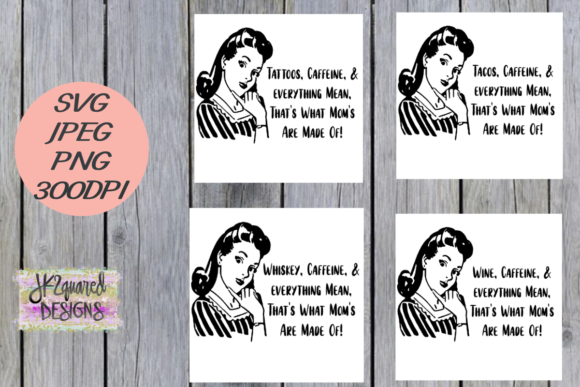
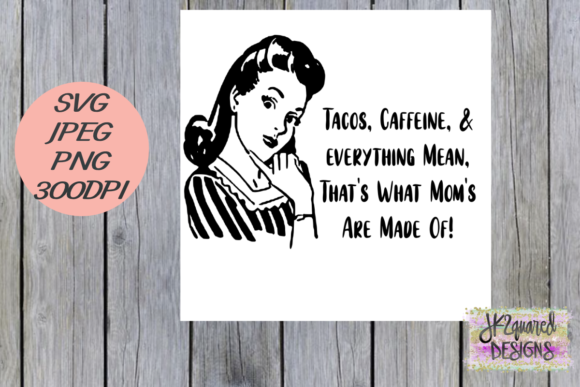
The first impression of What Mom s Are Made of is one of warmth and resilience. The typography and layout suggest a sentiment that resonates deeply with parents, making it an instant contender for personalized gifts and custom apparel. However, the transition from a vector SVG file to a physical stitch requires careful consideration. The design carries a bold visual personality that demands attention without being overly cluttered. For an Etsy seller or a small shop owner looking to expand their Mother's Day collection, this piece offers a strong narrative hook.
When I visualize this as a tote bag design, the flow of the text feels natural. It suggests a horizontal orientation that works well across the front panel of a canvas bag. The curves in the lettering are smooth, which is promising for satin stitching, but they also require precise digitization to avoid jagged edges. If you are planning to use this as an embroidered patch, the density of the strokes needs to be managed carefully to ensure the patch remains flexible enough to sew onto jackets or backpacks without becoming stiff.
Real-World Application: From File to Fabric
Let’s talk about a specific scenario. Imagine you are preparing a limited run of sweatshirt embroidery for a boutique client. You have chosen a heavy-weight fleece in a soft oatmeal color. You load the What Mom s Are Made of file into your machine software. Here is where the practical judgment comes in. The design's structure allows for a mix of fill stitch for the body of the letters and running stitch or fine satin for the outlines. This combination creates depth, making the text pop against the textured fabric.
In this context, the design shines. The sentiment is clear, and the scale can be adjusted to fit a chest pocket or span the width of the garment. However, if you were attempting this on a cap, the curved surface would distort the text significantly unless the digitizer has already accounted for curvature. As a reviewer, I advise checking the file specifications to see if a curved version is included or if you need to manually adjust the arc. For baby embroidery, such as a onesie or a bib, the softness of the message is perfect, but the stitch count must be low enough to prevent irritation against delicate skin.
Navigating Challenges: Fabric and Scale
Not every project is a straightforward success story. There are specific situations where What Mom s Are Made of requires extra caution. First, consider thin fabric like a lightweight cotton tee. Without the proper stabilizer, the tension from the dense areas of the design could cause puckering, ruining the professional look of the finished product. Always test on scrap material first.
Secondly, be wary of dark fabric backgrounds. While the design is versatile, dark threads on dark fabric can lose definition. You may need to add a layer of white underlay or use a high-contrast thread palette to maintain visibility. Similarly, if you are working with textured fabrics like denim or tweed, the intricate details of the lettering might get lost in the weave. In these cases, simplifying the design or increasing the hoop size to allow for larger, bolder stitches is essential.
Another critical factor is small hoop sizes. If you are using a 4x4 hoop for a quick holiday gift like a tea towel, ensure that the entire phrase fits comfortably without crowding the edges. Crowded designs lead to thread breaks and misalignment. If the design is too large for your hoop, you risk having to re-hoop mid-project, which can shift the registration and ruin the alignment of the text.
Maximizing Value for Your Craft Business
For the creative entrepreneur, the value of What Mom s Are Made of lies in its versatility across different product categories. Whether you are creating a pillow cover for a nursery or a decorative apron for a cooking class, the design adapts well. The key to maintaining high product value is consistency. Ensure that your thread colors complement the fabric choice and that the stitch density is optimized for the specific material you are using.
When listing these items online, high-quality printable mockups are crucial. Show the design on various textures—a cozy blanket, a crisp linen shirt, a rugged tote—to help customers visualize the final result. This builds customer trust and showcases your expertise as a maker who understands the nuances of commercial embroidery.
Essential Designer Notes Before You Stitch
Before committing to a full production run, follow these practical steps:
- Test Run: Always embroider the design on a scrap piece of the actual fabric you plan to use. Check for puckering, thread breaks, and registration issues.
- Stabilizer Choice: Select a stabilizer appropriate for the fabric weight. Tear-away works for stable fabrics, while cut-away is better for stretchy materials like sweatshirts.
- Color Contrast: Plan your thread colors to ensure the text is legible against the background. High contrast usually yields the most professional look.
- Licensing Check: Verify the license terms for the digital embroidery file. Ensure you are permitted to sell finished goods if you are operating a craft business.
- Hoop Size Verification: Confirm that the design dimensions fit within your machine's hoop size without needing excessive repositioning.
Final Verdict on the Design Asset
Ultimately, What Mom s Are Made of is a strong addition to any Crafts inventory. It captures a universal sentiment with a clean, adaptable aesthetic. While it requires the same attention to detail as any other machine embroidery design, its potential for creating meaningful, high-quality products is evident. Whether you are making a single personalized gift for a friend or producing a batch of merchandise for your shop, this design offers a solid foundation for success.
Remember, the difference between a good embroidery project and a great one often comes down to the preparation. By respecting the limitations of your equipment, understanding your materials, and testing thoroughly, you can turn this digital file into a stunning handmade product that stands out in a crowded market. The design is ready; now it is up to your skill and creativity to bring it to life.