French Bulldog Mom: A Designer's Practical Review
As a designer who has spent years navigating the intersection of digital graphics and physical thread, I approach every new asset with a critical eye. The market is flooded with generic vectors that look fine on a screen but fall apart under the needle. When I first opened the French Bulldog Mom file, my immediate goal was to determine if this design could survive the transition from a digital download to a tangible, high-quality handmade product. This isn't just about cute aesthetics; it is about structural integrity, stitch flow, and commercial viability for your craft business.
First Impressions: Visual Weight and Character
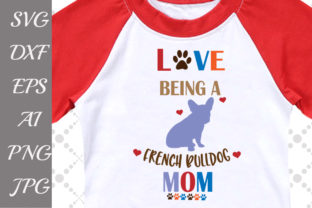
The initial impression of French Bulldog Mom is one of playful charm mixed with a sturdy silhouette. French Bulldogs are beloved for their distinct features—the bat ears, the wrinkled face, and the compact body—and this design captures those traits without overcomplicating the lines. For an embroidery project, simplicity often wins. If a design is too cluttered, the machine struggles to maintain definition, especially on textured fabrics. Here, the layout feels balanced. It suggests a strong focal point that will stand out even when scaled down slightly, which is crucial for items like caps or small patches.
However, as a professional reviewer, I must note that while the graphic is excellent for printing and sublimation, translating it into a machine embroidery design requires careful consideration. The included formats—SVG, DXF, AI, EPS, PNG, and JPG—are standard for cutting machines and print workflows, but they do not inherently contain stitch data. If you are planning to use this for actual stitching, you will need to digitize it yourself or ensure you have a compatible embroidery file version. The visual personality is perfect for a boutique shop, but the technical execution depends entirely on how well the digitization handles the curves of the dog's face and the text.
Real-World Application: From Hoop to Home
Let’s imagine a specific scenario: You run a small Etsy shop specializing in personalized gifts for dog lovers. A customer orders a custom embroidered tote bag featuring her French Bulldog. She wants the French Bulldog Mom design stitched onto a canvas tote. In this context, the design shines. The bold outlines would likely translate well into a satin stitch border, defining the shape against the coarse texture of the canvas. The interior areas could be filled with a dense fill stitch, ensuring the colors pop and the design doesn't show the fabric underneath.
This same logic applies to sweatshirt embroidery. Fleece and cotton blends can be tricky because the fibers shift during stitching. A design like this, with its relatively large shapes, is forgiving. Unlike intricate floral patterns that might get lost in the nap of the fabric, the solid forms of the bulldog and the accompanying text remain legible. I can also see this working beautifully as an embroidered patch. Imagine a felt backing, a tight edge finish, and the design ironed onto a denim jacket or a baby blanket. The versatility of the theme makes it a staple for holiday embroidery projects or nursery decor, appealing to parents who want durable, washable keepsakes.
Navigating Technical Challenges and Fabric Textures
While the potential is high, there are scenarios where French Bulldog Mom requires caution. Small hoop sizes are a significant concern. If you attempt to stitch this on a 4x4 inch hoop for a baby onesie, the details of the dog's face may become muddy. The stitch density needs to be managed carefully; too much density on thin fabric can cause puckering, ruining the drape of the garment. Conversely, on dark fabric, you will need to consider the number of layers required for opacity. A single layer of white thread might not cover a black sweatshirt effectively, leading to a washed-out appearance.
Texture is another variable. On a smooth jersey knit, the design will sit flat and crisp. However, on a thick, woven kitchen towel or a plush pillow cover, the needle must penetrate deeper, potentially distorting the design if the stabilizer is insufficient. Always test the design on scrap fabric first. Check the thread color contrast to ensure the subject stands out. If the design includes tiny lettering within the "Mom" text, verify that the font size remains readable after stitching. Sometimes, what looks clear in a printable mockup becomes illegible once the thread bulk is added.
Commercial Viability for Craft Entrepreneurs
For the Etsy seller or the owner of a local craft fair booth, the value of French Bulldog Mom lies in its broad appeal. Dog owners are a dedicated demographic willing to invest in quality goods. Using this design for custom apparel or home goods can significantly boost your brand consistency. When customers see a professionally finished product with clean edges and vibrant colors, their trust in your craftsmanship increases. This leads to better reviews and repeat business.
However, before listing these items, you must confirm the licensing terms. The description mentions the files are perfect for craft products, but does this include selling the finished handmade product? Can you sell the digital file itself? As a responsible business owner, you must clarify whether you have the right to use this as a commercial embroidery asset. Selling unauthorized designs can lead to account bans and legal issues. Always review the license agreement provided by the creator to ensure you are compliant with both personal and commercial usage rights.
Practical Designer Notes for Success
To get the most out of this design, follow these practical steps:
- Test Stitching: Never skip the test run on a scrap piece of the actual fabric you intend to use. This reveals issues with tension, density, and registration.
- Stabilizer Selection: Use a cut-away stabilizer for stretchy fabrics like t-shirts to prevent distortion, and a tear-away for stable fabrics like canvas or denim.
- Color Planning: Limit the number of thread changes if possible. Too many color breaks can interrupt the flow and increase production time for your small shop product line.
- Hoop Size Verification: Ensure the design fits comfortably within your hoop with a margin for error. Do not push the limits of the hoop size, as this risks uneven tension.
- Digital Mockups: Create realistic mockups showing the design on various backgrounds (light, dark, patterned) to help customers visualize the final result.
In conclusion, French Bulldog Mom offers a charming and versatile foundation for a variety of craft projects. Its strength lies in its recognizable subject matter and adaptable layout. While it requires careful digitization and thoughtful application regarding fabric and hoop size, the end result can be a stunning addition to your portfolio. Whether you are creating a one-off personalized gift or stocking a boutique product line, this design has the potential to deliver professional results if handled with the expertise it deserves. By respecting the technical nuances of embroidery and adhering to proper licensing, you can turn this graphic into a profitable and beautiful reality.