Resting Mom Face: A Designer's Practical Review
As a designer who has spent years navigating the intersection of digital assets and physical stitching, I approach every new file with a critical eye. The market is flooded with generic Graphics, but finding a piece that translates well from a screen to a hoop requires more than just a cute concept. Today, I am evaluating the Resting Mom Face design. At first glance, it promises a relatable, humorous aesthetic that resonates deeply with the modern parent demographic. However, before I commit this to a client project or add it to my shop inventory, I need to understand how it behaves in real-world embroidery scenarios.
The Visual Mood and Design Intent
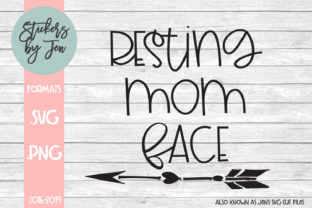
The immediate impression of Resting Mom Face is one of candid authenticity. It captures that specific, unfiltered moment of parental exhaustion mixed with dry humor. In the world of Crafts, designs that lean into shared experiences often perform exceptionally well because they act as conversation starters. The layout appears clean, likely utilizing bold lines to define the facial expression without getting lost in excessive micro-details. This simplicity is crucial for embroidery. When a design relies on subtle shading or tiny features, it often fails under the constraints of thread and tension. Here, the visual personality seems robust enough to survive the translation from a vector file to a stitched surface.
I can already envision this on a heavy-weight sweatshirt or a canvas tote bag. The "resting" expression implies a lack of effort, which ironically pairs perfectly with the cozy, low-maintenance vibe of loungewear. For an Etsy seller or a small business owner, this design offers a high potential for engagement. It is not just a decoration; it is a statement piece that customers will want to wear to signal their identity.
Navigating the Digital to Physical Transition
It is vital to note the technical specifications provided for this listing. This is a digital SVG Cut File intended for machines like Cricut and Silhouette Cameo, coming with .png and .svg formats. While this is excellent for vinyl decals and die-cutting, using it for actual machine embroidery design work requires a conversion step. If you are planning to stitch this rather than cut it, you cannot simply load the SVG into your embroidery machine software. You must ensure the file is digitized properly to create a true embroidery file.
When I consider converting this for stitching, the primary concern is the line weight. The bold outlines typical of such graphics usually translate well into satin stitches, while larger areas might require fill stitch. The challenge lies in maintaining the character of the face. If the eyes or mouth are too small, the stitch density could become too tight, causing puckering on the fabric. Conversely, if the gaps between lines are too wide, the design may look sparse and unfinished.
For a professional decorator, the workflow would involve importing the vector into digitizing software, adjusting the pull compensation, and setting the correct underlay. This ensures that the final finished product sits flat against the fabric. Without proper digitization, even the best graphic can result in a tangled mess of thread that ruins the garment.
Real-World Application Scenarios
Let’s imagine a specific project: creating a limited run of custom aprons for a boutique gift shop. The target audience is new mothers looking for practical yet funny kitchen gear. Placing Resting Mom Face on the bib area of a cotton twill apron makes perfect sense. The sturdy fabric can handle the hoop size required for a medium-to-large design, and the texture of the twill provides a nice contrast to the smooth thread.
In this scenario, the design serves as the focal point. Because the expression is simple, it does not compete with other patterns or logos. It works beautifully as a standalone element on a plain background. For custom apparel like t-shirts, I would recommend placing the design on the left chest or the back center. On a sweatshirt, the heather grey or charcoal colors would provide excellent contrast for white or pastel thread colors, making the face pop.
This design also has strong potential for personalized gifts. Imagine a baby shower gift set where the design is embroidered onto a onesie or a blanket. Parents love items that acknowledge the reality of parenting, and this design hits that note perfectly. It transforms a standard nursery item into something with personality and wit.
Strategic Product Pairings
- Tote Bag Design: Use heavy canvas to support the weight of the thread. Ideal for farmers markets or book clubs.
- Sweatshirt Embroidery: Perfect for fall and winter collections. The soft fleece complements the relaxed theme.
- Embroidered Patch: Create a detachable patch for hats or denim jackets, offering versatility for the customer.
- Baby Embroidery: Soften the thread choice and use a stabilizer suitable for knit fabrics to prevent distortion.
- Holiday Embroidery: Pair with seasonal elements like a Santa hat or pumpkin stem for themed merchandise.
Technical Considerations and Pitfalls
While the concept is strong, there are specific situations where Resting Mom Face requires careful handling. First, avoid using this design on thin or highly stretchy fabrics like jersey knits without a tear-away or cutaway stabilizer. The tension from the needle can cause the fabric to pucker around the facial features, distorting the expression. Similarly, on textured fabrics like corduroy or thick fleece, the detail might get lost in the weave. You may need to increase the stitch count or simplify the digitization further.
Another critical factor is the thread colors. Since the design relies on facial expressions, color contrast is non-negotiable. Using a dark thread on a dark fabric will render the details invisible. Always test the design in black and white mockups first to assess the value contrast. If you are working with dark fabrics, a bright white or neon accent thread can make the design stand out dramatically.
Furthermore, be cautious with curved surfaces like caps. The top of a baseball cap is a challenging area for embroidery due to the curvature. If the design includes text or long horizontal lines, they may bow or warp. It is often safer to place this design on the front panel of the cap or on a flat brimmed hat. Also, remember that frequent washing can affect the longevity of the embroidery. Ensure that the stitching is secure and that no loose threads remain, especially in areas with high movement like the corners of a tote bag or the neckline of a shirt.
Professional Workflow Recommendations
Before committing to a full production run, I always advocate for a rigorous testing phase. Start by testing the design on scrap fabric that matches your final material. Check the stitch density to ensure the face looks crisp and not muddy. Inspect the small details, such as the eyebrows or mouth line, to confirm they are not breaking up during the stitch-out.
If you are a craft business owner or an Etsy seller, consider creating printable mockups to showcase the design on various products before selling them. This builds customer trust and helps buyers visualize the handmade product in their own lives. Additionally, verify the licensing terms. While this listing mentions it is a digital file for cutting machines, if you plan to sell finished embroidered items, you must confirm that the license allows for commercial use of the design in its converted form.
Finally, think about brand consistency. Does Resting Mom Face align with your shop's voice? If your brand focuses on luxury minimalism, this playful design might feel out of place. However, for brands centered on community, humor, and everyday life, it is a powerful asset. By treating this not just as a graphic but as a functional component of your commercial embroidery strategy, you can maximize its impact.
Final Verdict on Market Viability
In conclusion, Resting Mom Face is a versatile and engaging design that holds significant promise for the right applications. Its strength lies in its relatability and clear visual language. While it requires careful attention to digitization and fabric selection, the potential for creating high-value, emotionally resonant products is evident. Whether used for a quick holiday gift, a staple item in a boutique, or a unique addition to a small shop product line, this design has the capacity to drive sales and foster connection. As designers, our job is to bridge the gap between a digital idea and a tangible reality, and with the right execution, this design crosses that bridge successfully.