Rescue Mom: A Designer's Review for Real Embroidery Projects
As a designer who has spent years navigating the gap between digital graphics and physical stitched goods, I approach every new machine embroidery design with a critical eye. The market is flooded with assets that look stunning on a screen but fall apart when you try to stitch them onto a heavy canvas tote or a delicate baby onesie. Today, I am putting Rescue Mom through its paces. This isn't just about checking file formats; it is about understanding how this specific Graphics asset translates into a tangible, high-quality handmade product.
The First Impression: Mood and Visual Weight
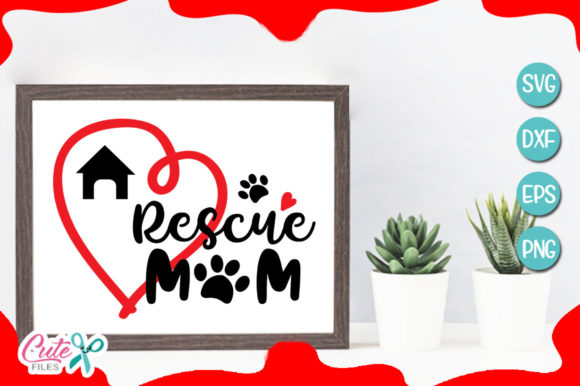
When I first opened the ZIP folder containing the SVG, DXF, EPS, and ARCHIVES PNG files, my immediate goal was to gauge the visual personality of the design. Rescue Mom exudes a sense of warmth and strength, making it an ideal candidate for personalized gifts or boutique branding within the Crafts category. The layout feels balanced, avoiding the common pitfall of being too top-heavy or having disjointed elements that struggle to hold together during stitching.
From a design perspective, the shape suggests a blend of bold outlines and intricate details. This combination is promising for creating depth in a finished product. However, the true test lies in how these lines convert into satin stitch and fill stitch areas. For a professional embroiderer, the transition from a flat vector image to a textured, three-dimensional object is where the magic happens—or where projects fail. Rescue Mom appears to have the structural integrity needed to maintain its character even after the needle hits the fabric.
A Real-World Scenario: The Custom Tote Bag Project
To truly evaluate this design, let's imagine a practical application. Picture a small shop owner preparing a line of custom apparel for Mother's Day. They decide to use Rescue Mom on a sturdy, natural cotton tote bag. The goal is to create a durable, stylish accessory that customers will carry daily. In this scenario, the design needs to pop against the beige fabric without looking muddy or losing definition.
When visualizing the sweatshirt embroidery or tote bag design process, I consider how the thread colors will interact with the base material. If the design relies heavily on fine running stitch details, they might get lost on a textured fabric like canvas. Conversely, if the design uses generous fill stitch areas, it could add a luxurious weight to the garment. For a project like this, Rescue Mom offers a versatile aesthetic that can be adapted. By adjusting the thread palette, a maker can shift the mood from playful and bright to sophisticated and monochromatic, ensuring the final item appeals to a wide range of buyers.
Navigating Fabric Challenges and Hoop Constraints
While the potential is clear, every embroidery designer knows that context is everything. There are specific situations where Rescue Mom requires careful handling. For instance, if you are attempting to stitch this design on a stretchy fabric like a jersey t-shirt or a knit baby item, the stabilizer choice becomes critical. Without proper backing, the tension from the fill stitch could cause the fabric to pucker, ruining the clean lines of the design.
Similarly, curved surfaces present a unique challenge. If you plan to apply this as an embroidered patch on a cap or a baseball hat, the curvature can distort the geometry of the letters or shapes. It is essential to test the design on scrap fabric that mimics the target surface before committing to a client order. Small hoop sizes also demand attention. If the design includes tiny lettering or dense decorative accents, shrinking it to fit a 4x4 inch hoop might result in thread breakage or unreadable text. Always confirm the recommended hoop size and check the stitch density to ensure the needle doesn't overwork the fabric.
Enhancing Product Value and Brand Consistency
For Etsy sellers and creative entrepreneurs, the quality of your digital product preview and the actual finished product directly impacts customer trust. Rescue Mom has the potential to elevate a simple handmade product into a premium offering. When used correctly, the clarity of the stitching enhances the perceived value of the item. A crisp, well-executed design signals professionalism and care, which are key drivers for buyer engagement in the craft business.
Consider the holiday embroidery market. A personalized gift featuring this design can become a staple for family reunions or memorial tributes. The emotional resonance of the theme means that the execution must be flawless. Customers buying these items are often investing in memories, not just fabric and thread. Therefore, using a reliable machine embroidery design like this one helps maintain brand consistency across your shop's listings. Whether you are selling a pillow cover, a kitchen towel, or a blanket, the visual appeal of the embroidery should align with your overall brand identity.
Practical Notes for the Professional Maker
Before integrating Rescue Mom into your commercial embroidery workflow, there are several technical steps to take. First, always test the design on scrap fabric that matches your final project material. This allows you to check thread color contrast and review stitch density under real conditions. You might find that certain areas need less density to prevent stiffness, or that a different thread type improves the sheen.
Secondly, utilize printable mockups to visualize how the design looks in black and white versus full color. This helps in comparing light and dark fabric backgrounds before purchasing materials. If you are planning to sell finished items, confirm the licensing terms included with the digital embroidery file. While the package includes multiple formats like SVG and EPS for versatility, understanding whether you can sell the physical goods or just use them for personal projects is vital for any small business merchandise strategy.
Finally, inspect the small details closely. Sometimes, a design that looks perfect on a screen may have gaps in the vector path that cause issues during digitization or stitching. If you are using this for applique design work, ensure the cut lines are clean and precise. By taking these precautions, you ensure that Rescue Mom delivers on its promise of creating beautiful, lasting pieces.
Final Thoughts on Commercial Viability
In conclusion, Rescue Mom stands out as a robust option for designers looking to expand their portfolio with meaningful, high-quality assets. Its adaptability across various mediums—from baby clothes to adult apparel—makes it a valuable addition to any collection of design assets. However, its success ultimately depends on the skill of the maker and the attention paid to the technical details of the embroidery project.
Whether you are a hobbyist creating a heartfelt gift or a seasoned pro scaling up your Etsy shop, this design offers a strong foundation. Just remember that the best embroidery comes from a balance of good design, proper technique, and the right materials. With Rescue Mom, you have a graphic that is ready to be transformed into something truly special, provided you respect the nuances of the stitching process.