Bowling Mom: A Designer's Review for Real Projects
As a designer who has spent years navigating the intersection of digital assets and physical production, I approach every new file with a critical eye. The market is flooded with generic Graphics, but finding a piece that translates well from screen to stitch requires careful evaluation. Today, I am reviewing the Bowling Mom design. While this listing is technically marketed as a digital SVG Cut File compatible with Cricut, Silhouette Cameo, and other die-cutting machines, its visual structure holds significant potential for adaptation into a high-quality machine embroidery design. Let's explore how this concept performs when we move beyond simple vinyl cutting and consider it for real-world textile applications.
First Impressions: Mood and Visual Personality
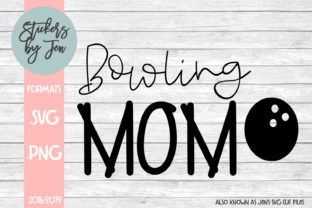
At first glance, Bowling Mom exudes a playful, retro charm that resonates immediately with the target demographic. The layout is balanced, avoiding the cluttered look that often plagues text-heavy designs. For a crafter or small business owner, the mood is crucial; this design feels celebratory yet grounded. It suggests a fun weekend activity rather than a serious athletic endeavor, which makes it perfect for casual wear.
The shape of the elements is clean, which is a prerequisite for successful digitization. When I visualize converting these vector lines into a digital embroidery file, the bold outlines suggest they would work exceptionally well with a thick satin stitch. The internal details, if present in the specific version you acquire, appear spaced enough to accommodate a standard fill stitch without causing excessive thread density issues. This balance is what separates a hobbyist project from a professional-grade finished product.
Real-World Application: From Concept to Custom Apparel
To truly understand the value of Bowling Mom, let's place it in a realistic scenario. Imagine you are preparing a custom order for a local bowling league reunion. You need to create personalized gifts that feel special but not overly formal. A large, heavy cotton tote bag or a cozy fleece sweatshirt becomes your canvas.
In this context, the design shines. Placing Bowling Mom on the front pocket of a denim jacket or centered on a heavyweight sweatshirt creates an immediate focal point. Because the design is likely composed of distinct shapes and text, it scales effectively. If you were to adapt this for custom apparel, the boldness ensures readability even from a distance. For an Etsy seller looking to expand their inventory, this type of design is a staple for seasonal sales or niche community events.
Consider also the application on a kitchen towel or an apron. These items are functional handmade products that get used daily. The cheerful nature of the theme fits perfectly into home decor categories like nursery decor or kitchen accents. The key here is versatility; a design that works on a tote bag design can often be adapted for a pillow cover or even a decorative patch, provided the digitization respects the original proportions.
Adapting the Design for Embroidery
Since the source files come as .png and .svg, you will need to ensure you have the rights to convert them into an embroidery file format suitable for your machine. If you are using a third-party digitizing service or software, pay close attention to how the curves are handled. Smooth curves in the SVG should translate to smooth underlay stitches in the final output. Avoid jagged edges that can result from poor conversion, as these detract from the professional look of your craft business merchandise.
When planning sweatshirt embroidery, remember that the fabric texture plays a major role. Fleece has a nap that can hide fine details, so the bold nature of Bowling Mom is advantageous. However, if you are working with a thin jersey knit for a t-shirt, you must use the correct stabilizer to prevent puckering. The weight of the thread combined with the stitch density can distort lightweight fabrics if not managed correctly.
Navigating Challenges: Where Caution is Needed
While Bowling Mom is a strong contender for many projects, there are scenarios where it requires extra care. Small hoop sizes are a common pitfall. If you attempt to fit the entire design into a 4x4 inch hoop, the lettering may become illegible, and the graphical elements might lose their definition. Always check the maximum dimensions of your design against your machine's capabilities before committing to a project.
Textured fabrics, such as corduroy or tweed, can interfere with the precision of the stitching. In these cases, the running stitch used for outlining might sink into the fabric weave, making the design look muddy. Similarly, stretchy fabrics demand a cut-away stabilizer to maintain the integrity of the image after washing. If you plan to sell these as personalized gifts, durability is non-negotiable. Customers expect their items to withstand frequent laundering without the threads unraveling or the design cracking.
Dark fabrics present another challenge. While the design itself is likely light-colored or outlined, achieving high contrast on black or navy materials requires careful selection of thread colors. Using a white underlay or a bright top thread can make the design pop, but test swatches are essential. Never assume the color palette will work universally; what looks vibrant on a white mockup might disappear on charcoal gray.
Design Integrity and Commercial Viability
For the small shop owner or creative entrepreneur, the visual appeal of the design directly impacts customer trust. A sloppy stitch job can ruin an otherwise beautiful concept. Bowling Mom offers a clean aesthetic that, when executed properly, enhances the perceived value of your goods. It signals that you pay attention to detail, which encourages repeat business.
However, before you list any commercial embroidery items featuring this design, you must confirm the licensing terms. The product description states it is a digital file for crafting, but it does not explicitly outline commercial usage rights for finished embroidered goods. As a responsible maker, you must verify whether you are permitted to sell items created with this asset. Selling unauthorized design assets can lead to legal complications and damage your brand reputation.
If you are creating printable mockups to showcase your work, ensure the representation is accurate. Show the design on actual fabric textures rather than flat surfaces to give buyers a realistic expectation of the finished product. Transparency builds engagement and reduces returns.
Practical Notes for the Professional Maker
To get the most out of Bowling Mom, follow these practical steps:
- Test on Scrap Fabric: Always run a test stitch on a scrap piece of the same material you intend to use. Check for tension issues, thread breaks, and registration problems.
- Review Stitch Density: If you are digitizing the file yourself, ensure the fill areas are not too dense. Excessive thread can cause stiffness and increase the risk of thread breakage during production.
- Confirm Hoop Size: Measure the design dimensions against your available hoops. Do not force a large design into a small space; it compromises quality.
- Inspect Small Details: Zoom in on the digitized file to check for tiny letters or intricate corners that might get lost in the stitching process.
- Use Proper Stabilizer: Match the stabilizer to the fabric weight. Heavyweight fabrics need tear-away, while knits require cut-away support.
- Check Licensing: Re-read the license agreement included in the zip folder. Ensure you are compliant with the rules for selling custom apparel or holiday embroidery items.
Ultimately, Bowling Mom is a versatile asset within the Crafts category. Its strength lies in its clear communication and nostalgic appeal. Whether you are creating a one-off personalized gift for a friend or producing a batch of small shop products for a craft fair, this design has the potential to stand out. By respecting the technical requirements of embroidery and adhering to licensing guidelines, you can transform a simple digital graphic into a tangible, high-quality piece of art that customers will love.