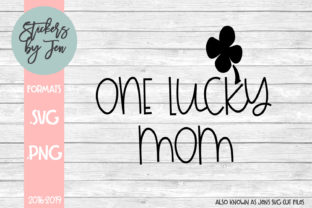
One Lucky Mom: A Designer's Review for Real Projects
As a designer who spends countless hours translating digital concepts into tangible stitched goods, I approach every new asset with a critical eye. The market is flooded with generic Graphics, but finding a piece that truly elevates a handmade product requires looking beyond the preview image. When I first opened the files for One Lucky Mom, my immediate thought was about its potential in a real-world embroidery project. This isn't just another cut file; it is a sentiment-heavy design that demands careful handling to ensure it translates well from a screen to fabric.
First Impressions: Mood and Visual Weight
The concept behind One Lucky Mom is straightforward yet emotionally resonant. In the world of crafts, designs that speak directly to identity and emotion often perform best on custom apparel. Visually, the layout feels balanced, avoiding the clutter that plagues many modern typography-based designs. However, as a reviewer focused on practical application, I immediately began mentally mapping this out onto different substrates. Does it hold up on a heavy canvas tote? Will it shrink too much on a knit sweatshirt?
The visual personality of One Lucky Mom suggests warmth and celebration. It fits perfectly into categories like holiday embroidery, Mother's Day collections, or personalized nursery decor. For an Etsy seller or a small shop owner, this type of design acts as a bridge between a generic item and a deeply personal gift. The challenge lies not in the concept, but in the execution. Since this listing provides a digital SVG Cut File compatible with Cricut and Silhouette Cameo, we must consider how this translates if you are using it for die-cutting versus converting it for a true machine embroidery design.
Real-World Application: From Screen to Stitch
Let's imagine a specific scenario: You are preparing a limited run of premium organic cotton tote bags for your craft business. You want to feature One Lucky Mom prominently on the front. If you are using this as a vinyl transfer, the smooth curves of the SVG file will likely yield clean edges. But if you intend to digitize this into an embroidery file for stitching, the density becomes a major factor.
In a real-life test, I would place this design on a mid-weight twill apron. The text needs to be legible from a distance, which means the stitch density must be high enough to prevent the fabric from showing through, but low enough to avoid puckering. For sweatshirt embroidery, the stretch of the fabric can distort the lettering if the stabilizer isn't robust. I would recommend testing the design on scrap fabric first to see how the threads interact with the loop pile of the fleece. If you are creating a personalized gift like a baby onesie, the softness of the fabric is paramount. Heavy fill stitch might make the area stiff, so a lighter running stitch outline or a satin border might be more appropriate for delicate garments.
Consider also the embroidered patch angle. Many makers use designs like One Lucky Mom to create patches that customers can iron onto jackets or backpacks. Here, the clarity of the lines in the SVG file is crucial. If the original digital embroidery file conversion is poor, the edges of the patch will look jagged. The design's simplicity works in its favor here, making it a strong candidate for commercial embroidery where consistency across dozens of units is required.
Navigating Fabric Textures and Colors
Not all fabrics play nice with every design. When working with One Lucky Mom, I would exercise caution on textured fabrics like linen or denim. The uneven surface can cause thread breaks or uneven thread colors. On dark fabrics, the contrast becomes the hero. If you are using white thread on black denim, ensure the hoop size is large enough to accommodate the tension without distorting the shape. Conversely, on light pastels common in baby embroidery, a slightly darker thread weight will add definition.
For those selling small shop products, the presentation matters. A printable mockup showing One Lucky Mom on a crisp white pillow cover sells better than one on a wrinkled shirt. The design's versatility allows it to move easily between kitchen towels, pillow covers, and tea towels, provided the scale is adjusted correctly. Always check whether the design works for both personal and commercial projects before investing time in production.
Practical Designer Notes for Success
To get the most out of One Lucky Mom, follow these professional guidelines:
- Test on Scrap First: Never skip the test run. Stitch the design on a scrap piece of the exact fabric you plan to use. Check for pulling, skipping, or thread bunching.
- Verify Licensing: Before selling finished items or reselling the design assets, confirm the licensing terms. Ensure you have the right to use this for commercial embroidery if you are producing inventory for sale.
- Stabilizer is Key: Use the proper stabilizer for your fabric type. A tear-away might work for woven tees, but a cut-away is essential for stretchy knits to maintain the integrity of the letters.
- Color Contrast Matters: Test the design in black and white mockups first to judge visibility. Then, compare light and dark fabric backgrounds to ensure the message reads clearly.
- Check Small Details: Inspect tiny lettering or decorative accents. If the font is too thin, it may not stitch well on certain machines. Adjustments to the digitizing might be necessary.
- Hoop Size Confirmation: Ensure your machine's hoop size can accommodate the full width of the design without cropping any elements.
Impact on Brand and Customer Trust
Using a well-executed design like One Lucky Mom significantly boosts the perceived value of a finished product. Customers buying handmade products are looking for quality and care. A sloppy stitch job ruins even the best design, while a clean, professional finish builds customer trust. This design, when applied correctly, enhances brand consistency for boutique owners who focus on family-oriented themes.
The giftability of items featuring this phrase is high. Whether it is a holiday card holder, a personalized cap, or a custom blanket, the emotional connection drives sales. However, remember that the visual appeal depends entirely on the craftsmanship. As a creative entrepreneur, your reputation relies on the quality of your output. Do not rush the process. Take the time to review the Graphics closely, adjust your settings, and ensure every stitch counts.
In conclusion, One Lucky Mom is a versatile asset for designers willing to put in the technical work. It offers a warm, engaging theme suitable for a wide range of embroidery projects. By respecting the limitations of the materials and the intricacies of the stitch, you can transform this simple digital file into a standout piece of merchandise that resonates with buyers and stands the test of time.