24 Hour Mom: A Designer's Review for Real Projects
As a designer who has spent years turning digital concepts into tangible stitched goods, I approach every new asset with a critical eye. The market is flooded with generic Graphics, but finding a piece that truly translates well from a screen to a fabric surface is rare. Today, I am evaluating the 24 Hour Mom design. At first glance, this listing presents itself as a digital SVG Cut File intended for die-cutting machines like Cricut and Silhouette Cameo. However, for those of us in the embroidery space, understanding how a vector shape behaves when converted into a machine embroidery design is crucial before committing to a client project or a small shop product run.
First Impressions: Visual Weight and Mood
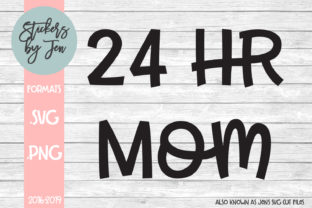
When I open the digital embroidery file preview for 24 Hour Mom, the immediate impression is one of bold simplicity. The phrase carries an inherent emotional weight, resonating deeply with parents who feel the relentless nature of caregiving. Visually, the layout suggests a clean, modern aesthetic that avoids excessive clutter. This is promising because, in embroidery, less often means more. Complex designs with tiny details can get lost in the stitch count, but a design like this relies on strong lines and clear shapes.
The mood it creates is empowering yet relatable. It feels like a design meant for a sweatshirt worn during late-night feedings or a tote bag tossed over a shoulder while running errands. For an Etsy seller or a boutique owner, this kind of sentiment drives sales. Customers aren't just buying a shirt; they are buying a badge of honor. The visual personality is straightforward, which makes it versatile enough to fit into various color palettes without losing its impact.
From Vector to Stitch: Practical Application
While the product description highlights its compatibility with cutting machines, my focus is on how this translates to needlework. If you plan to use 24 Hour Mom as an embroidery project, you must consider the conversion process. Since the source is an SVG, you will likely need to digitize it yourself or purchase a pre-digitized version if available. When converting, the key is managing the stitch density.
Imagine preparing a custom embroidered tote bag for a craft fair. You want the text to pop against the canvas. If the lettering is too thin, a running stitch might look flimsy after washing. Conversely, if you fill the letters entirely with a dense fill stitch, the fabric might pucker, especially on lighter materials. A balanced approach using a combination of satin stitches for the outline and a sparse fill for the interior would yield the best results. This ensures the design remains crisp and professional, enhancing the perceived value of your finished product.
Real-Life Scenario: The Personalized Sweatshirt
Let’s walk through a specific scenario. You have a client ordering a personalized gift for a mother-to-be. They want the 24 Hour Mom design on a dark grey cotton blend sweatshirt. This is a common request, but it introduces challenges. Dark fabrics require high-contrast thread colors. White thread works, but it needs a stabilizer underneath to prevent show-through. Because the design is text-heavy, the hoop size becomes a limiting factor. If the text is long, you might need to split the design into two hoops, which requires precise registration to avoid gaps.
In this context, the simplicity of 24 Hour Mom is an asset. Unlike intricate floral patterns that demand perfect alignment, bold text is more forgiving of slight shifts. However, the corners of the letters are critical. Sharp angles in a vector file can become rounded or jagged in stitching if not properly digitized. As a reviewer, I advise checking the stitch count and ensuring the curves are smooth. A messy corner on a word like "Mom" can ruin the entire handmade product presentation.
Navigating Fabric Challenges and Limitations
Not every fabric plays nice with every design. While 24 Hour Mom looks great on paper, real-world application requires caution. On textured fabrics like chenille or heavy denim, the design might struggle to sit flat. The texture can disrupt the flow of the satin stitch, leading to skipped threads or uneven edges. Similarly, on stretchy fabrics like jersey knit, the design could distort when the garment is pulled. In these cases, a cut-and-sew applique design technique might be superior to direct stitching, though that changes the workflow significantly.
Another area to watch is the scale. If you attempt to shrink this design down for a cap or a small baby onesie, the legibility suffers. Tiny lettering in embroidery is a recipe for disaster. The stitches merge, and the message becomes unreadable. For a custom apparel item like a hat, ensure the design fits within the curved surface without distorting the perspective. Always test the design on scrap fabric first. This simple step saves hours of frustration and prevents ruining expensive materials.
Commercial Viability and Brand Consistency
For the creative entrepreneur building a brand, consistency is key. Using 24 Hour Mom across different products—tote bag design, baby embroidery, kitchen towels—creates a cohesive collection. However, you must ensure the quality remains uniform. A blurry print on a mockup does not sell the same way as a sharp, high-resolution printable mockup derived from actual photos of your work. When selling commercial embroidery items, customers expect professionalism. They trust that the stitch density is optimized and the thread colors are vibrant.
This design fits perfectly into holiday collections or Mother's Day promotions. Its universal appeal makes it a safe bet for inventory. Yet, as a business owner, you must verify the licensing terms. The listing mentions it is a digital file for cutting machines, but does it grant commercial rights for embroidered goods? Always confirm whether you can sell the finished items or if the license restricts you to personal use only. Selling items without proper clearance can jeopardize your craft business reputation.
Final Verdict for Designers and Makers
After analyzing the potential of 24 Hour Mom, I believe it holds significant value for designers willing to put in the technical work. It is not a plug-and-play solution for everyone, but for those who understand the nuances of fabric texture and digitization, it offers a powerful statement piece. The design's strength lies in its clarity and emotional resonance.
To maximize its potential, follow these practical steps:
- Test on Scrap Fabric: Never skip the test run. Check for puckering and thread breaks.
- Review Color Contrast: Ensure the thread stands out against the background material.
- Inspect Small Details: Zoom in on the corners of the letters to ensure they stitch cleanly.
- Use Proper Stabilizer: Especially on dark or stretchy fabrics to maintain shape.
- Confirm Licensing: Verify you have the right to sell the final personalized gift or merchandise.
If you are an Etsy seller looking to expand your catalog with meaningful design assets, 24 Hour Mom is a strong contender. Just remember that the magic happens in the execution. The file provides the blueprint, but your skill determines the quality of the finished product. Whether it ends up on a cozy blanket, a sturdy apron, or a trendy sweatshirt, this design has the potential to connect with customers on a personal level. With careful planning and attention to detail, it can become a staple in your small shop product line, proving that even simple words can make a lasting impression when stitched with care.