Review: Mom of a Beagle Embroidery Design
As a designer who has spent years translating digital graphics into tangible stitched products, I approach every new asset with a critical eye. The market is flooded with generic patterns, but finding a design that balances charm with technical viability is rare. Today, I am evaluating the Mom of a Beagle graphic to see if it holds up under the scrutiny of real-world embroidery projects. This isn't just about how it looks on a screen; it is about how it translates when thread meets fabric.
First Impressions and Visual Personality
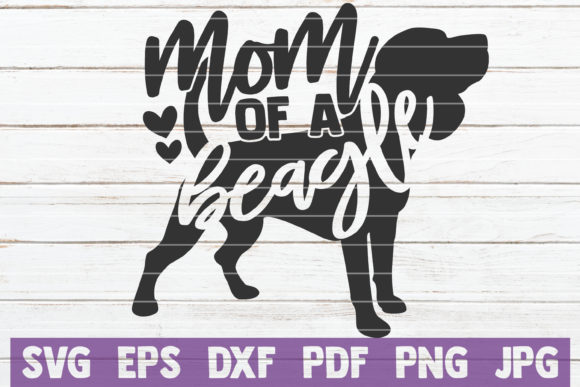
When I first opened the Mom of a Beagle file, the mood was immediately clear. It radiates warmth and a specific kind of playful affection that dog owners instantly recognize. The layout is clean, avoiding the cluttered details that often plague modern vector art. For an embroidery project, simplicity is key. Complex gradients or microscopic lines can turn a beautiful image into a tangled mess of thread breaks and puckering. This design strikes a balance where the personality of the beagle shines through without overwhelming the stitching process.
The visual weight of the text paired with the illustration suggests a design meant to be a focal point. Whether you are planning a custom apparel piece or a personalized gift, the composition feels intentional. It does not look like a rushed clip-art conversion; it feels like a dedicated machine embroidery design ready for production. The shape of the beagle's features is distinct enough to survive the digitization process, which is crucial for maintaining recognition in the final finished product.
A Real-World Scenario: The Custom Tote Bag Project
To truly test this asset, let's imagine a scenario where I am preparing a batch of custom tote bags for a local boutique client. The goal is to create a limited-run collection for a "Puppy Love" holiday sale. I need a design that pops on canvas but remains durable after repeated washing. The Mom of a Beagle graphic fits this brief perfectly.
In this context, the design would likely be placed centrally on the front of the bag. Because the file includes high-resolution options like the PNG file 300ppi with transparent background and JPG file, creating a printable mockup for the client approval stage is seamless. However, the real test comes during the stitching phase. When converting the vector data into stitch commands, the bold outlines of the beagle suggest a strong satin stitch border, while the body could utilize a dense fill stitch. This combination ensures the design stands out against the textured weave of a canvas tote.
I envision customers holding these bags at a craft fair, immediately connecting with the sentiment. The design elevates a simple utility item into a statement piece. For an Etsy seller or small shop product line, having a cohesive theme like this builds brand consistency. It tells a story that resonates with the target demographic, turning a standard accessory into a cherished item.
Technical Performance and File Versatility
One of the strongest aspects of this package is the variety of formats provided. You receive 1 DXF file, 1 PDF file, 1 SVG file, 1 PNG file 300ppi with transparent background, 1 JPG file, and 1 EPS file. This versatility is a game-changer for professional workflows. While the DXF and SVG files are essential for cutting machines or importing into embroidery software, the high-res raster files allow for quick previews and marketing materials.
However, as a reviewer, I must emphasize that having the files is only half the battle. The success of the embroidery project depends on how you handle the digitization. If you are using this as a base for an applique design, the clean lines of the beagle will make weeding the excess material much easier. For direct stitching, you must carefully review the stitch density. Areas with tight curves in the beagle's ears or tail may require a reduction in density to prevent thread bunching, especially on softer fabrics.
The inclusion of multiple formats also supports hybrid workflows. Perhaps you want to print the design on a transfer paper for a sweatshirt and then add embroidered accents around the edges. The transparency of the PNG file makes layering these elements in your design software effortless. This flexibility allows you to experiment with different techniques, such as combining running stitch details with heavy fill areas, to create depth and texture.
Critical Considerations for Fabric and Hooping
While the design is robust, there are scenarios where caution is required. Mom of a Beagle should be used carefully on thin or highly stretchy fabrics. Without proper support, the tension from the stitches can distort the image, making the beagle look warped. Always use a heavy-duty stabilizer when working with knit materials like t-shirts or baby onesies.
Fabric texture also plays a significant role. On a nubby wool sweater or a thick denim jacket, fine details might get lost in the weave. In such cases, you might need to simplify the design further or increase the size of the hoop to ensure the threads lay flat. Conversely, on smooth cotton or linen, the design will render with crisp clarity.
Dark fabrics present another challenge. If you plan to embroider this on a black hoodie, you will need to adjust your thread colors significantly. A white outline might not provide enough contrast if the fill is light gray. Testing the design in black and white mockups before committing to expensive thread is a non-negotiable step. Additionally, curved surfaces like caps require special attention. The text portion of Mom of a Beagle needs to be checked for legibility when wrapped around a brim.
Practical Designer Notes for Success
Before launching any commercial run, I always advise my fellow makers to follow a strict testing protocol. First, test the design on scrap fabric that matches your final product. Check the back of the stitching to ensure no loose threads are visible. Inspect small details like the eyes or nose of the beagle to confirm they haven't become muddy blobs.
Confirm your hoop size early in the process. If the design is too large for your machine, you will have to split the stitching, which can lead to misalignment. Compare light and dark fabric backgrounds to determine the best thread palette. Finally, always check the licensing terms. While this package offers great assets for craft business growth, you must confirm whether you are allowed to sell the finished items or the digital files themselves.
Final Verdict on Commercial Viability
The Mom of a Beagle design is more than just a cute graphic; it is a viable tool for creative entrepreneurs. Its clean structure, combined with the comprehensive file list, makes it suitable for everything from baby embroidery gifts to commercial embroidery runs. It enhances the perceived value of handmade products and fosters customer trust through professional presentation.
For those looking to expand their design assets library with something that appeals to a broad audience, this is a solid choice. It works well as a standalone element or as part of a larger collection. By paying attention to stabilizer choices, thread contrast, and fabric compatibility, you can ensure that every finished product reflects the quality and care that your brand stands for. Whether you are a hobbyist making holiday gifts or a seasoned decorator fulfilling a bulk order, this design delivers the visual impact needed to stand out in a crowded market.