Review: Mom of a Pommy Embroidery Design
As a designer who has spent years navigating the intersection of digital graphics and physical thread, I approach every new machine embroidery design with a critical eye. The market is flooded with generic assets, so finding a Mom of a Pommy design that actually translates well from screen to fabric requires careful scrutiny. This specific graphic caught my attention not just for its theme, but for how it handles the delicate balance between cute aesthetics and structural integrity in stitching. Before I commit any client order or stock up on inventory for my small shop, I need to know if this file holds up under real-world conditions.
First Impressions and Visual Personality
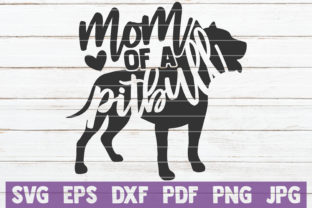
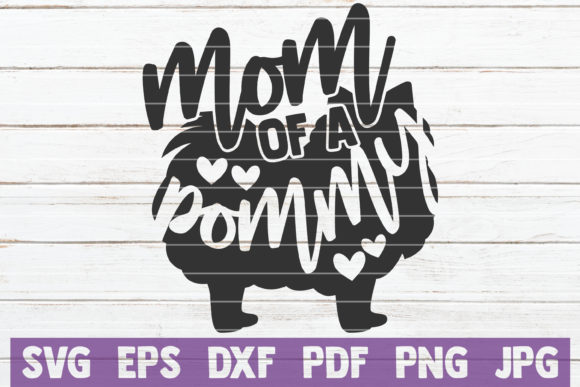
When I first opened the Mom of a Pommy files, the immediate impression was one of warmth and playful energy. The layout is straightforward, avoiding the clutter that often plagues dog-themed designs. In the realm of Graphics, simplicity is often the hardest thing to achieve without looking cheap. Here, the silhouette and text integration feel cohesive. It does not scream for attention; instead, it invites a closer look, which is exactly what you want for a personalized gift or a boutique product.
The visual weight of the design suggests it works best as a focal point rather than a background pattern. For an Etsy seller or a craft business owner, this means the design can stand alone on a sweatshirt or tote bag without needing excessive embellishment. The mood is distinctly family-oriented, tapping into the universal love for Australian Shepherds and their owners. However, the true test lies not in how it looks on a monitor, but in how it behaves when the needle starts moving.
Real-World Application: From File to Fabric
Let’s imagine a practical scenario: a customer wants a custom embroidered tote bag featuring this design for a dog mom’s birthday. I load the machine embroidery design into my software, and the first thing I check is the stitch density. For a tote bag, which usually involves canvas or heavy cotton, the fill stitch needs to be substantial enough to prevent show-through but loose enough to allow the fabric to breathe. The Mom of a Pommy design appears to have a balanced distribution of satin and fill stitches, which is promising.
If I were adapting this for a baby item, such as a onesie or a nursery pillow cover, I would be more cautious. Baby fabrics are softer and more prone to puckering. In this case, the hoop size becomes critical. If the design is too large for the hoop relative to the garment size, the tension could distort the fabric. I would likely scale it down slightly and use a lighter stabilizer to ensure the finished product remains soft against a child's skin. The versatility of having multiple file formats, including SVG and DXF, allows me to adjust the vector paths easily before converting them into a stitch file, giving me control over the final outcome.
For custom apparel like sweatshirts, the texture of the fleece presents a different challenge. Fleece tends to stretch and shift during embroidery. With Mom of a Pommy, the clean lines should hold up well, provided I use a cut-away stabilizer to support the loops of the fabric. The design’s clarity ensures that even on a textured surface, the "Pommy" elements remain distinct and recognizable. This level of detail is crucial for maintaining brand consistency if you are selling these as part of a larger collection of handmade products.
Navigating Textures and Materials
While the design is robust, there are areas where caution is required. Thin fabrics, such as lightweight tees or silk blends, might struggle with the density of the lettering in the phrase "Mom of a Pommy." If the thread colors are dark and the fabric is light, the risk of shadowing increases. I always recommend testing the design on scrap fabric first, especially when working with materials that have a high pile or significant stretch.
Curved surfaces, like caps or hats, also demand attention. The geometry of the design must wrap around the curve without distorting the image. If the design includes tiny details or intricate corners, they may get lost or bunch up on a curved brim. In such cases, simplifying the outline or using a running stitch for finer details can save the project. For holiday embroidery gifts, where time is often short, knowing these limitations beforehand prevents wasted hours and ruined materials.
Impact on Product Value and Customer Trust
In the competitive world of online sales, the quality of your embroidery directly influences customer trust. A poorly executed design can make a handmade product look amateurish, while a crisp, professional finish elevates the perceived value. The Mom of a Pommy design, when stitched correctly, offers a polished look that appeals to dog lovers seeking unique items. It signals that the maker cares about detail, which encourages repeat business and positive reviews.
For Etsy sellers and small shop owners, using a reliable digital embroidery file is a strategic move. It reduces the time spent troubleshooting and allows you to focus on marketing and customer service. When a buyer sees a clear, vibrant design on a mockup, they are more likely to engage and purchase. However, remember that a printable mockup is only a preview. The actual finished product must match that promise. Testing the design in black and white on paper before stitching can help identify potential contrast issues, ensuring the final result pops against the chosen fabric.
Practical Designer Notes for Success
To get the most out of the Mom of a Pommy asset, here are a few essential steps I take before starting any major project:
- Test on Scrap Fabric: Always run a test stitch to check for puckering, skipped stitches, or color bleeding.
- Check Thread Contrast: Ensure the thread colors stand out against the fabric background. Dark fabrics may require brighter threads or a backing layer.
- Verify Hoop Size: Confirm that the design fits comfortably within your hoop without stretching the edges.
- Inspect Small Details: Zoom in on the file to ensure no tiny letters or lines will disappear during stitching.
- Use Proper Stabilizer: Match the stabilizer type to the fabric weight—tear-away for stable fabrics, cut-away for stretchy ones.
- Confirm Licensing: Before selling finished items or digital products, double-check the license terms associated with the embroidery file to avoid legal issues.
Whether you are creating a single personalized gift for a friend or producing a batch of commercial embroidery items for your store, the preparation phase is key. The Mom of a Pommy design offers a solid foundation for creative projects, provided you respect the mechanics of the machine and the nature of the fabric. By paying attention to stitch density, stabilizer choice, and placement, you can transform this digital graphic into a tangible piece of art that customers will cherish.
Ultimately, the success of any crafts project lies in the execution. This design provides the aesthetic spark, but your skill and attention to detail bring it to life. Whether it ends up on a cozy sweatshirt, a durable patch, or a charming kitchen towel, the goal is to create something that feels personal and professional. With the right approach, Mom of a Pommy can become a standout item in your portfolio, delighting dog moms everywhere.