Review: Mom of a Wiener Embroidery Design
As a designer who has spent years navigating the intersection of digital graphics and physical thread, I approach every new machine embroidery design with a critical eye. The market is flooded with assets that look great on a screen but fall apart under the needle. When I first opened the files for Mom of a Wiener, I was curious to see if this playful concept could translate into a high-quality finished product suitable for a small business or a heartfelt personalized gift. The design falls squarely within the Crafts category as a versatile Graphics asset, but its true value lies in how it performs when stitched onto real fabric.
First Impressions: Visual Personality and Layout
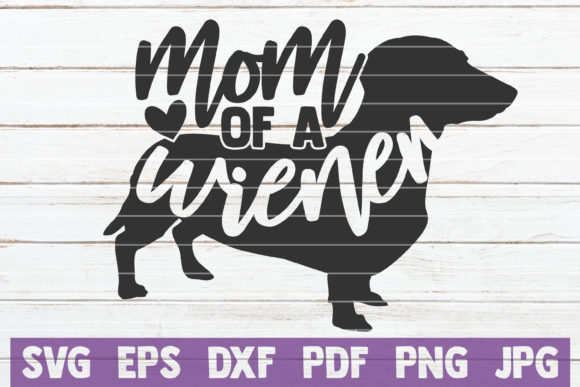
The initial view of Mom of a Wiener suggests a fun, lighthearted mood perfect for dog lovers. The layout appears balanced, avoiding the common pitfall of overcrowding where text and imagery compete for space. In my experience, designs with clear separation between the subject and the typography tend to stitch out more cleanly, especially when using fill stitches. The visual personality here is bold enough to stand out on a sweatshirt embroidery project yet detailed enough to maintain interest on a smaller embroidered patch.
One thing I appreciate immediately is the versatility of the provided file formats. Receiving a DXF file alongside an SVG and EPS ensures compatibility with most major digitizing software and cutting machines. For those of us who also sell printable mockups or need high-resolution previews for Etsy listings, the inclusion of a 300ppi PNG with a transparent background and a JPG file is a significant time-saver. It allows for quick integration into marketing materials without needing to re-render the image from scratch.
Real-World Application: From Hoop to Product
Let's talk about a specific scenario. Imagine you are preparing a custom tote bag design for a local craft fair. You want something that speaks to the target demographic—dog owners who love their pets unconditionally. Mom of a Wiener fits this niche perfectly. If I were to hoop this up for a canvas tote, I would focus on the stitch density. Designs with large areas of solid color often require careful attention to the backing stabilizer to prevent puckering.
I envision this design working exceptionally well on heavy cotton fabrics like those used for aprons or kitchen towels. The texture of these materials can sometimes hide minor stitching imperfections, but they also demand a robust design that doesn't get lost in the weave. On a sweatshirt, the stretch of the fabric adds another layer of complexity. Here, the choice of thread colors becomes crucial. A high-contrast combination, such as white thread on a navy hoodie, would make the "Wiener" graphic pop, ensuring the message is legible even from a distance.
For baby embroidery projects, perhaps a onesie or a nursery pillow cover, the sentiment is equally strong. Parents love humorous, affectionate designs for their little ones. However, when working with delicate baby clothes, the weight of the embroidery must be considered. A heavy fill stitch might be too stiff for a newborn garment. In this case, I would recommend testing the design on scrap fabric first to gauge the thickness of the final result. If the stitch count feels too dense, converting some fill areas to running stitch or reducing the density in your digitizing software could yield a softer, more comfortable finish.
Navigating Technical Challenges
While Mom of a Wiener looks promising, there are specific situations where caution is required. Small hoop sizes present a challenge for any design containing both text and imagery. If you attempt to scale this down for a cap or a small pocket placement, the lettering may become illegible, and the details of the wiener dog could merge into a blob of thread. Always confirm your hoop size before committing to the project. If the design exceeds the hoop capacity, consider breaking it into sections or choosing a larger garment area.
Textured fabrics, such as fleece or ribbed knit, can also distort the shape of the embroidery. The needle struggles to penetrate uneven surfaces consistently, which can lead to skipped stitches or uneven tension. Using a proper stabilizer is non-negotiable here. For dark fabrics, a cut-away stabilizer is often better than tear-away, as it provides lasting support for the threads during frequent washing. This is vital for commercial embroidery projects where durability affects customer trust and brand reputation.
Another consideration is the use of satin stitch versus fill stitch. Satin stitch is beautiful for outlining text and small details, adding a glossy, professional finish. However, long satin columns can pucker if not anchored correctly. Fill stitch is generally safer for larger areas but requires precise pull compensation settings to avoid holes or gaps. As a reviewer, I advise checking the stitch types in your software before sending the file to the machine. Adjusting the underlay settings can make a massive difference in the stability of the finished product.
Business Value and Commercial Viability
For Etsy sellers and small shop owners, the appeal of Mom of a Wiener extends beyond just the aesthetics. It taps into a specific, passionate audience. Dog-themed merchandise consistently performs well, particularly around holidays like Mother's Day or Christmas. This design could easily become a staple in a boutique branding strategy, appearing on holiday embroidery gifts, personalized products, or limited-run apparel collections.
The quality of the digital file directly impacts your workflow efficiency. Having multiple formats means you can pivot quickly. Need a printable mockup for social media? Use the PNG. Need to send a file to a client's embroidery machine? Send the DXF. This flexibility enhances buyer engagement because you can deliver faster and offer more customization options. However, always remember to check the licensing terms. Just because you have the file does not automatically mean you can sell the digital file itself. Ensure you have the rights to sell the finished items or the digital assets if that is part of your business model.
Final Designer Notes and Recommendations
To get the best results with Mom of a Wiener, I strongly suggest a test run. Print a black and white mockup to visualize the contrast before threading your machine. Test the design on a piece of scrap fabric similar to your final material. Inspect the small details closely; sometimes what looks fine on the monitor reveals registration issues once stitched. Check whether the design works for both personal and commercial projects by verifying the license agreement included with your purchase.
In conclusion, Mom of a Wiener is a solid addition to any designer's library of design assets. It offers a charming theme, versatile file formats, and a layout that translates well to various mediums. Whether you are creating a handmade product for a friend or stocking your online shop with unique merchandise, this embroidery file provides a strong foundation. With the right stabilizer, careful attention to stitch density, and a creative eye for color placement, it can transform a simple piece of fabric into a cherished keepsake or a profitable small shop product.