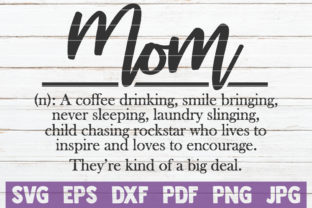
Reviewing Mom Definition Cut File for Real Projects
As a designer who has spent years navigating the intersection of digital graphics and tangible thread, I approach every new asset with a critical eye. The market is flooded with Mom Definition Cut File variations, but not all are created equal when it comes to actual production. Today, I am evaluating this specific design package to see if it holds up under the scrutiny of a professional embroidery workflow. We are looking beyond the pretty preview image to understand how this Graphics asset translates into a high-quality machine embroidery design.
The First Impression: Mood and Visual Weight
When I first opened the Mom Definition Cut File, the immediate reaction was one of warmth and clarity. The layout feels balanced, avoiding the clutter that often plagues sentimental designs. In the world of Crafts, simplicity is often the hardest thing to achieve without sacrificing character. This design manages to strike that chord perfectly. The lines are clean, which suggests that when converted from a vector format like SVG or DXF into a stitch file, the resulting stitch density should remain manageable.
Visually, the design carries a personality that fits seamlessly into modern home decor and custom apparel. It does not feel dated or overly ornate. Instead, it projects a contemporary vibe suitable for the current trends seen on platforms like Etsy and Instagram. For a small shop product line, this kind of visual consistency is crucial. It tells the customer that the brand understands current aesthetics while maintaining a timeless appeal.
From Digital File to Stitched Reality
The real test of any embroidery file happens when you move from the screen to the hoop. Let’s imagine a specific scenario: preparing a custom embroidered tote bag for a Mother's Day boutique collection. Tote bags present unique challenges due to their fabric texture and the way they drape. If the design is too dense, the canvas will pucker; if it is too sparse, the text might get lost in the weave.
Using the Mom Definition Cut File in this context, I can visualize how the shapes would translate. The boldness of the definition suggests it would work well with a combination of satin stitch for the outlines and a light fill stitch for larger areas. This balance ensures the design stands out against the natural texture of the cotton canvas. Unlike some intricate designs that require excessive backstitching, this asset seems primed for efficiency, reducing machine run time—a key factor for any commercial embroidery operation.
Furthermore, consider a sweatshirt project. Sweatshirts are thick and textured. A design with poor definition often gets swallowed by the fleece. However, the clear geometry of the Mom Definition Cut File allows for sufficient spacing between elements. This means you can use a heavier stabilizer without worrying about the design becoming a muddy mess. The result is a crisp, professional-looking sweatshirt embroidery that commands attention.
Navigating Fabric and Hoop Challenges
While the design looks promising, practical application requires caution in certain scenarios. Every embroidery project has its pitfalls, and knowing them beforehand saves money and reputation. One area where the Mom Definition Cut File needs careful handling is on very small hoop sizes. While the overall shape is compact, squeezing it into a 4x4 hoop might compromise the legibility of the finer details. I always recommend testing the design on scrap fabric first to ensure the scaling does not distort the intended message.
Another consideration is the fabric type. On thin or stretchy fabrics like jersey knit, the tension required for a dense design can cause warping. If you plan to use this for baby embroidery on onesies, you must be diligent about your stabilizer choice. A tear-away might not suffice; a cut-away or water-soluble stabilizer is likely necessary to maintain the integrity of the finished product. Similarly, on dark fabrics, the contrast becomes paramount. You will need to carefully select thread colors to ensure the definition remains sharp and visible.
Curved surfaces, such as caps or hats, also present a challenge. The flat nature of the Mom Definition Cut File works beautifully on flat surfaces, but mapping it onto a curved brim requires precise digitizing adjustments. Without proper compensation, the design could appear distorted once stitched. This is a reminder that even the best digital embroidery file requires a skilled operator to adapt it to different substrates.
Commercial Viability and Brand Trust
For the Etsy seller or craft business owner, the value of a design extends beyond its aesthetic appeal. It affects buyer engagement and brand trust. A well-executed personalized gift using this design can elevate a simple item into a cherished keepsake. Customers today expect high-quality craftsmanship. They want to see that the handmade product they are purchasing has been thoughtfully designed and professionally finished.
The versatility of the included formats—DXF, PDF, SVG, PNG, JPG, and EPS—adds significant value to the design assets. While these are primarily cut files, having a high-resolution PNG with a transparent background allows for creating stunning printable mockups before a single thread is pulled. This capability is essential for marketing. You can showcase the Mom Definition Cut File on various products digitally, giving potential buyers a realistic preview of the final outcome.
However, it is vital to confirm licensing terms before selling finished items. As a professional, I never assume a design is cleared for commercial use without verification. If the license permits, this design could become a staple in a holiday collection or a wedding gift line. Its broad appeal makes it a safe bet for inventory, reducing the risk of unsold stock.
Practical Designer Notes for Success
To get the most out of the Mom Definition Cut File, follow these practical steps:
- Test on Scrap Fabric: Always run a test stitch on a piece of fabric similar to your final product. Check for puckering and thread breakage.
- Check Thread Contrast: Ensure the thread colors you choose provide enough contrast against the fabric texture for maximum visibility.
- Verify Stabilizer Needs: Do not skimp on stabilization, especially for custom apparel made from stretchy or heavy materials.
- Inspect Small Details: Zoom in on the digital file to check for tiny lettering or tight corners that might cause stitching issues.
- Mockup in Black and White: Before committing to color, view the design in grayscale to assess the visual weight and balance.
- Confirm Licensing: Double-check the usage rights for both personal and commercial embroidery applications.
In conclusion, the Mom Definition Cut File presents itself as a robust tool for designers and makers. It offers the right blend of style and functionality, provided it is handled with the care and expertise that professional embroidery demands. Whether you are creating an embroidered patch, a kitchen towel, or a premium holiday gift, this design has the potential to deliver a polished, professional result that customers will love. By respecting the nuances of the craft and following best practices, you can turn this digital graphic into a tangible success story for your business.